The craft
Twenty Mile Creek, one bench, and a lot of patience.
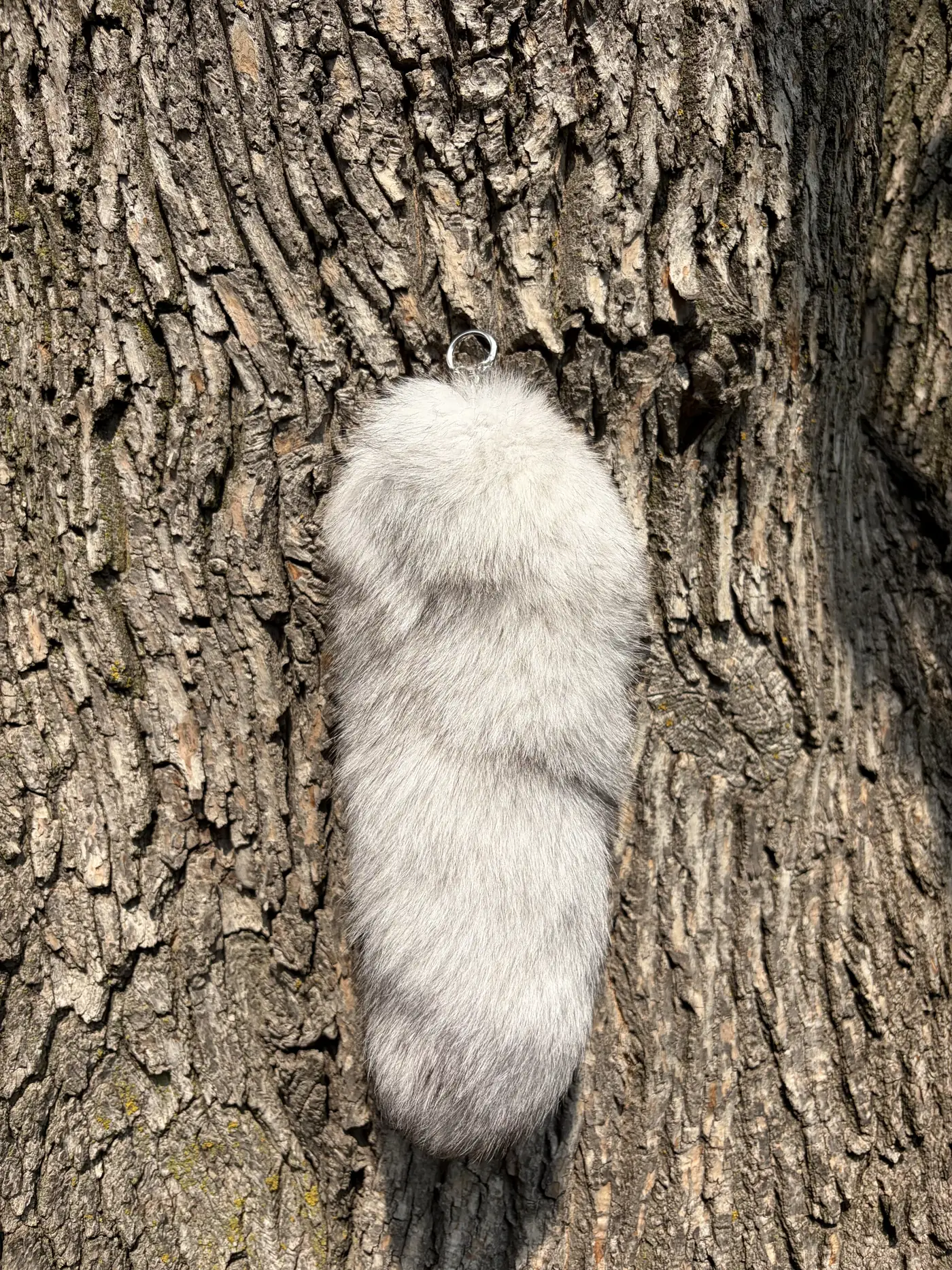
Twenty Mile Furs is named for Twenty Mile Creek, the waterway that runs through Niagara — where the shop is based and where I grew up. I buy wild-harvested fur from local trappers — including Indigenous harvesters — and sew every piece myself, turning tanned hides into hats, muffs and keychains built to last a lifetime.
Step 01
Sourced close to home
Every pelt comes from wild-harvested fur in Canada, mainly Ontario. I buy directly from local trappers I know by name, and I make a point to support Indigenous harvesters and businesses wherever I can.
Step 02
Selected by hand
I choose each hide for its texture, colour and character. A good pelt is the starting point — from there, the design follows the fur rather than forcing the fur into a pattern.
Step 03
Cut to the hide
Patterns are laid out around the natural shape of the pelt, keeping tails, faces and markings intact when the design calls for it. Every cut respects what the animal looked like in life.
Step 04
Sewn to last
Each piece is stitched and lined by hand, one at a time, with thread chosen to outlast the wearer. That's why sizes vary a little and why no two finished pieces are ever the same.
Sourcing and ethics
Every pelt is wild-harvested in Canada, mainly Ontario, under regulated seasons and quotas — no fur farms, no imported pelts of unknown origin. I buy directly from trappers I know by name, including Indigenous harvesters and businesses, and I'm happy to tell you where any given hide came from.
I don't trap or tan hides myself. What I do is the sewing: taking an already-tanned hide and turning it into something beautiful that will outlast fast fashion by decades.
Ask me anything→